
If you’re under 5’6”and your lower back, neck, or hips feel sore after a long workday, the problem may not just be sitting too long. Your chair might simply not fit your body.
Most office chairs are built for someone 5~6 inches taller.
That’s why many petite users struggle with the same problems:
- The seat is too deep, so you can’t fully use the backrest
- Lumbar support hits your mid-back instead of your lower back
- Your feet dangle off the floor
- Reclining feels too heavy and hard to control
A lot of petite users spend years fighting their chair without realizing the chair itself was never designed for their frame.
MUSE wasn’t made by simply shrinking a standard ergonomic chair.
It was redesigned around the problems smaller users actually deal with every day:
Common Problems
⭐️ Lower back support ⭐️ Recline tension ⭐️ Seat depth ⭐️ Comfort during long sitting sessions ⭐️ Foot support⭐️ Comfort during long sitting sessions
Why Some Chairs Never Feel Comfortable
For users under 5’6”, the biggest issue is usually lumbar placement.
Most ergonomic chairs place the lumbar support too high for petite users. Instead of supporting your lower back, it pushes into your shoulder blades or mid-back.
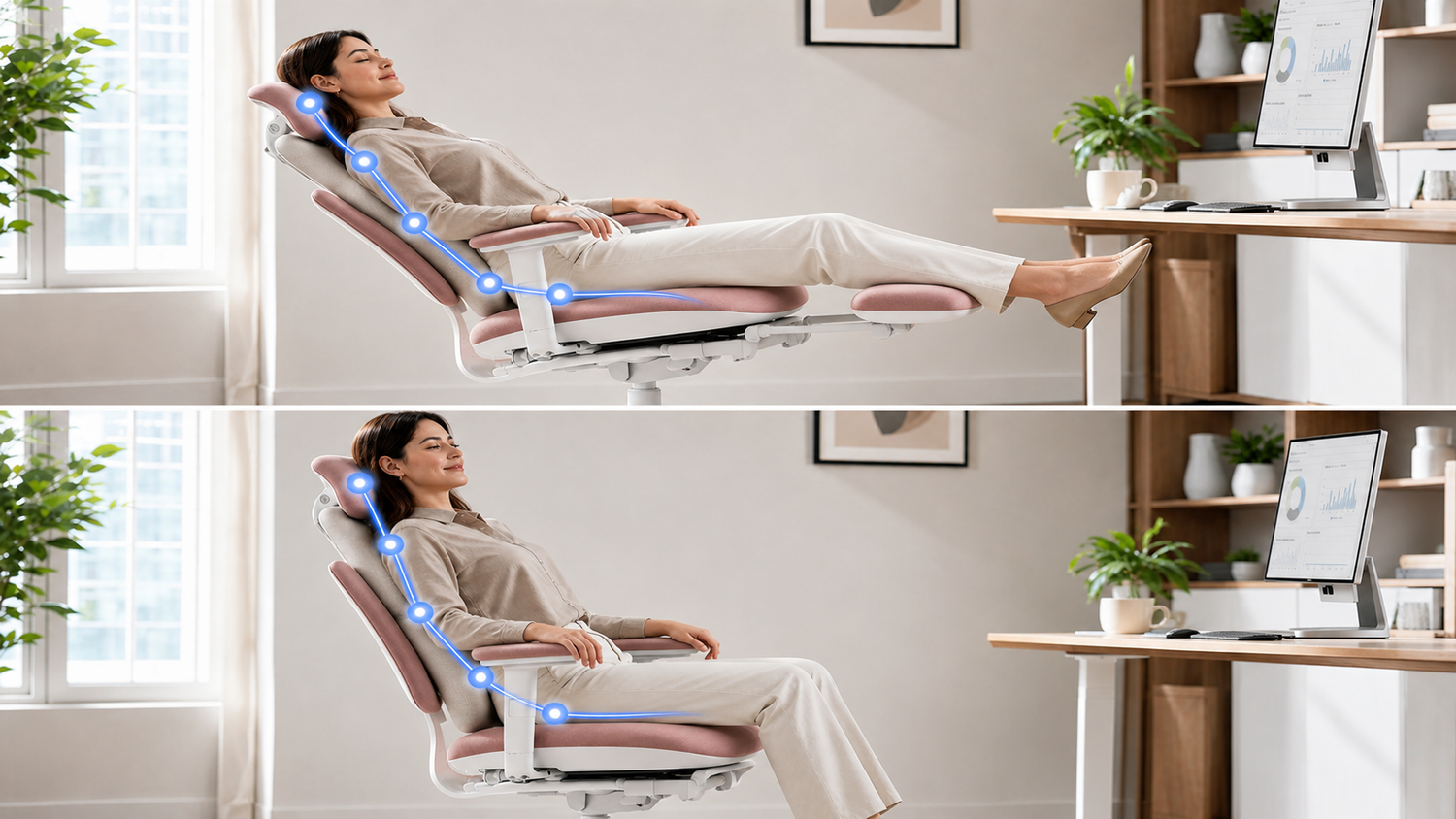
MUSE uses a synchronized recline system that keeps your lower back supported as you move.
You don’t need to constantly lock and readjust the chair to find a comfortable position. The chair moves naturally with your body.
Why Reclining Feels Too Heavy for Petite Users
Many ergonomic chairs are designed around heavier body weights.
For smaller users, reclining can feel stiff, heavy, or difficult to relax into.
MUSE includes adjustable recline tension, so you can fine-tune the resistance based on your body weight and sitting style.
For petite users, this makes a surprisingly big difference.
Why Proper Sizing Matters More Than More Features
A lot of “small” ergonomic chairs are just scaled-down versions of standard chairs.
But real comfort comes from proportions that actually fit your body:
- Seat depth
- Armrest spacing
- Lumbar position
- Seat height range
MUSE was designed around petite body proportions from the beginning.
So you can actually sit back comfortably, relax your shoulders, and keep your feet supported naturally.
Long Sitting Hours Should Include Real Rest
Good ergonomics isn’t just about posture.
If you sit for long hours every day, your body also needs moments to fully relax.
MUSE supports up to a 125° recline, adjustable armrests, and a retractable footrest for easier lounging and recovery between work sessions.
We also added optional lumbar heat and massage support to help reduce lower back tension during long sitting hours.
Sometimes leaning back for just a few minutes can completely change how your body feels.
Why Footrests Matter So Much for Petite Users
For petite users, a footrest isn’t just an extra feature.It’s often essential.
Most office desks sit around 29~30 inches high. If you lower your chair too much just to keep your feet on the floor, your elbows and shoulders usually lose proper support.
A footrest basically raises the floor to meet your chair.
It helps keep your legs relaxed while still maintaining a comfortable desk height.
It also gives you more natural sitting positions, like sitting cross-legged or tucking your legs up, instead of forcing one rigid posture all day.
Recommended for Petite Users
The Muse Chair is designed with adjustable seat depth, lower lumbar positioning, and easier recline control for smaller body frames.
View ProductFAQ
Q1:What seat height is best for petite users?
A comfortable chair should let you:
- Keep your knees around a 90° angle
- Rest your feet flat on the floor
- Keep your elbows comfortably near desk height
Most office chairs start around 17~22 inches high, which is often too tall for users under 5’6”.
In general:
- Users under 5’6” usually need a seat height around 16 inches
- Users closer to 5’0” may need an even lower chair or a footrest
Because most office desks are still around 29~30 inches high, MUSE keeps a practical seat height range of about 16~20 inches while adding a footrest for better flexibility and comfort.
Q2:What seat depth works best for petite users?
Many people assume a bigger seat is always more comfortable.
But for petite users, a seat that’s too deep usually creates more pressure and fatigue.
If the seat is too deep:
- You can’t fully use the backrest
- Your feet may lift off the floor
- Your lower back gets pushed forward unnaturally
A properly fitted seat should leave about 1~2 inches of space behind your knees.
For users under 5’6”, a seat depth under 16 inches is usually more comfortable for long sitting sessions.
Best Chair for Petite Users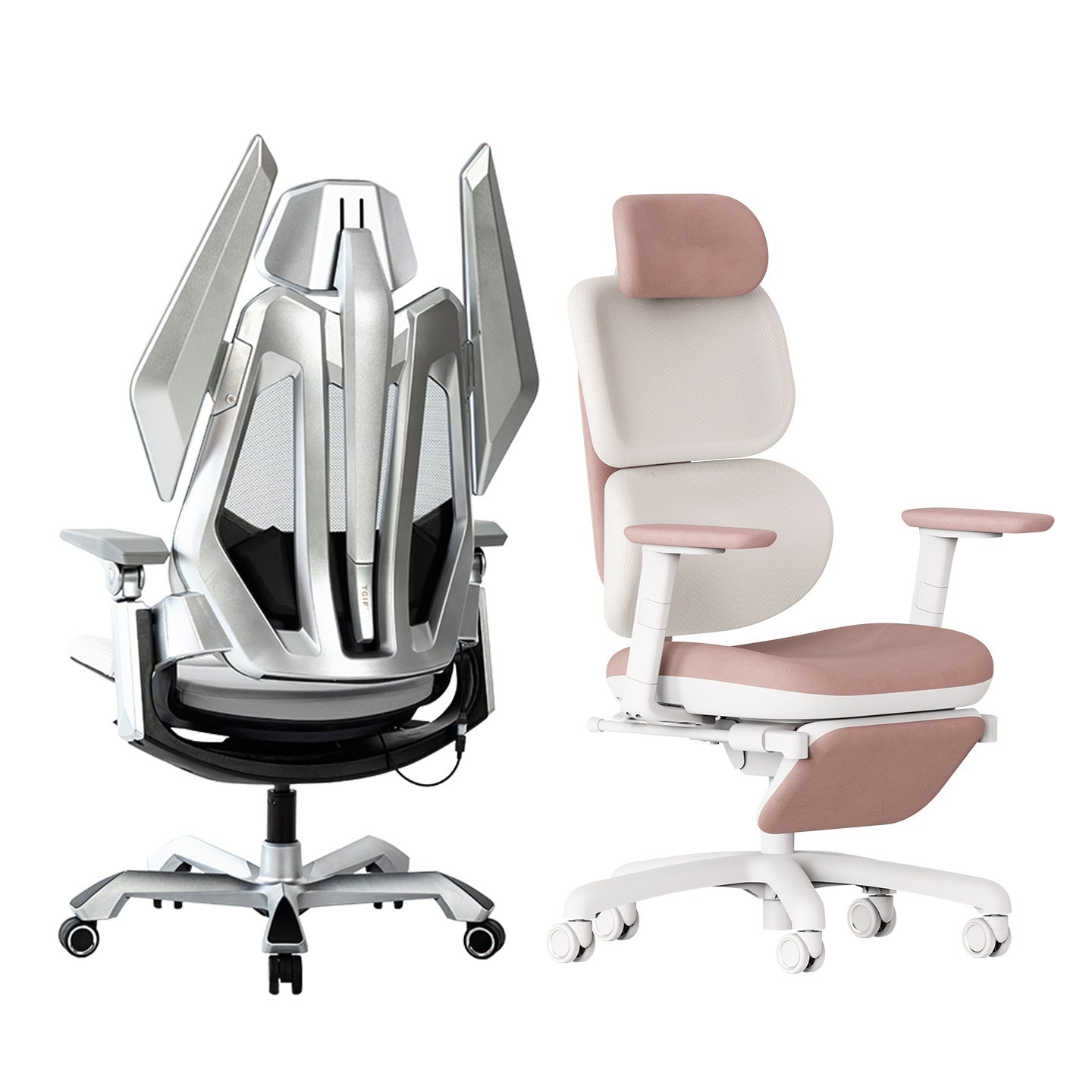



Leave a comment
This site is protected by hCaptcha and the hCaptcha Privacy Policy and Terms of Service apply.